Tension control electronics for brake / clutch
OPERATION
We’ve done the hard work so it’s easy for you. If you want to automate the process and forget about tension issues, we’ll guide you through a setup that’s extremely easy.
We’ve even selected the sensors you’ll need based on your specific case, and we’ll show you how to connect every component. Our team will guide you every step of the way.
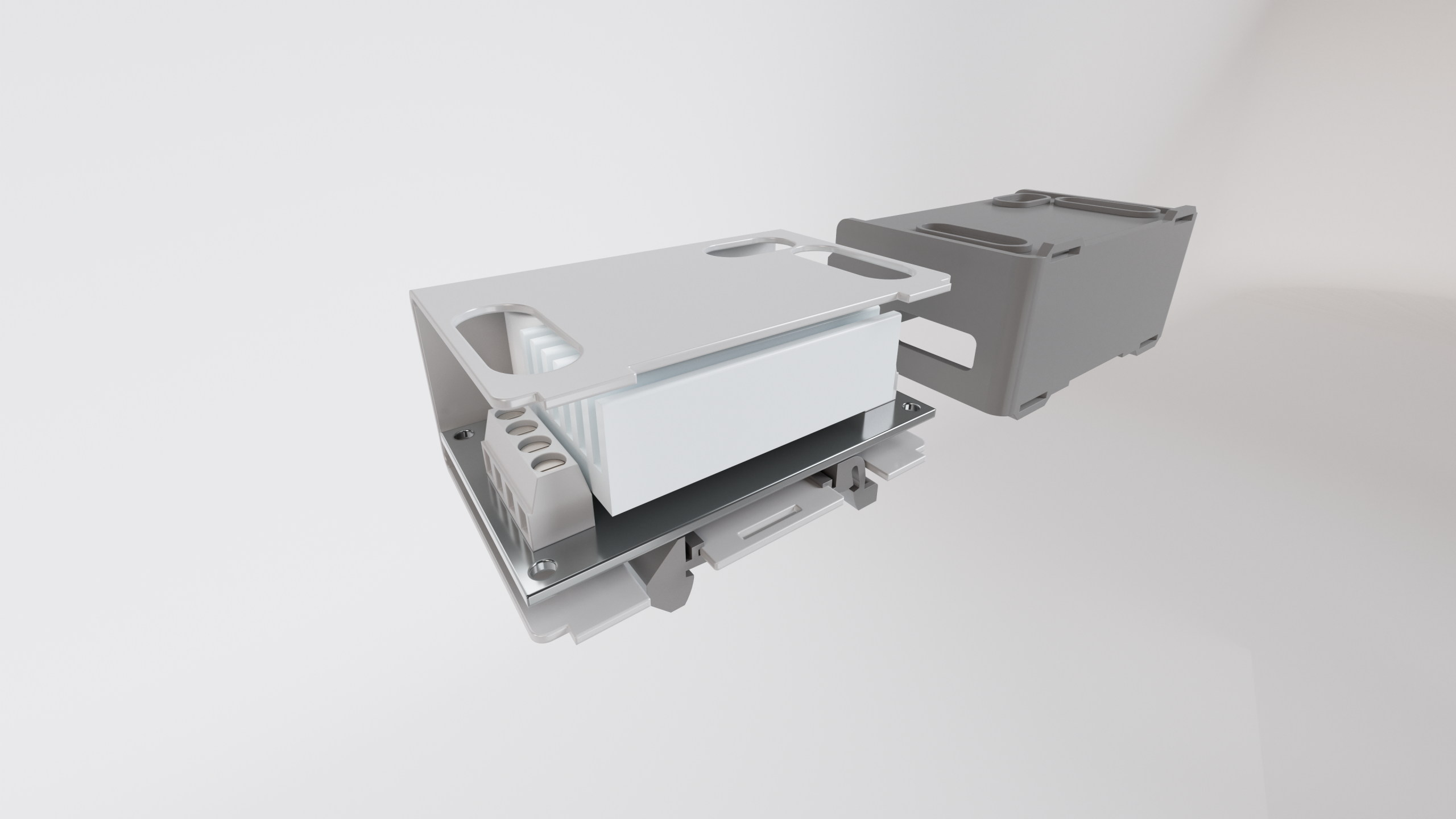
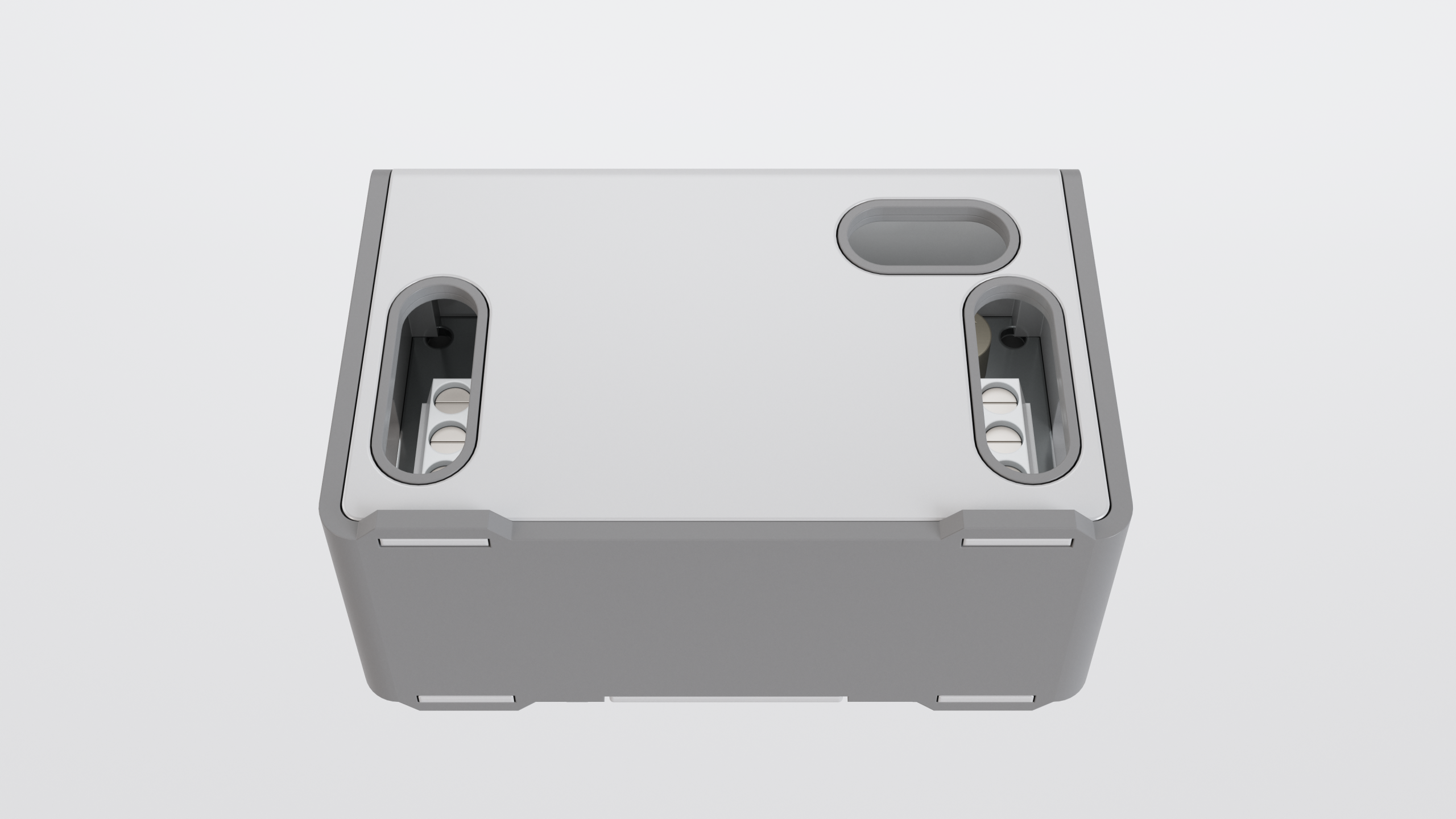
The CTS RTJ 076 tension controller is a frequency inverter that regulates the power delivered to the brake or clutch using PWM technology, to achieve automatic tension control in your winding process.
Designed for immediate start-up.
You only need to:
Connect the controller to a 24 V DC power supply.
Connect the two wires from the brake or clutch to the controller.
Connect the two wires from the brake or clutch to the controller
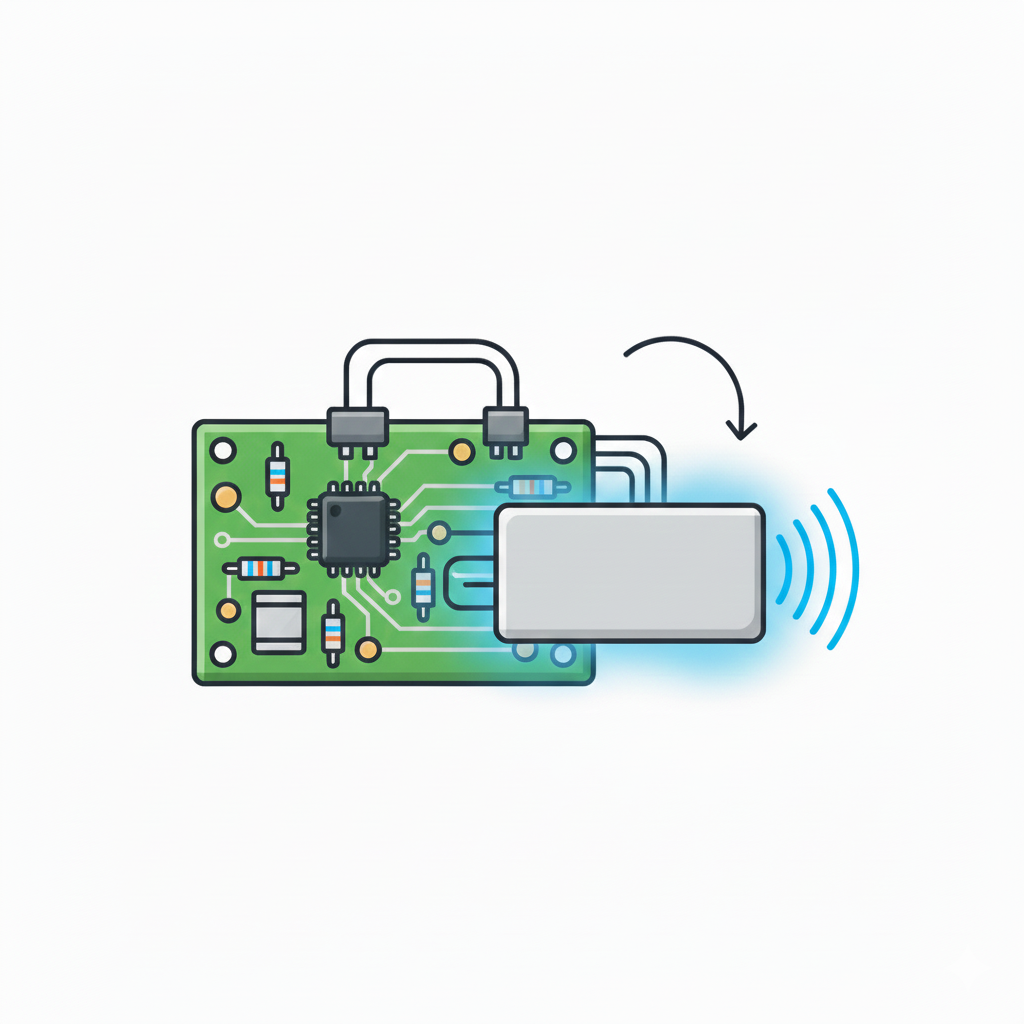
Even though our system is easy to set up, it is fully compatible with a variety of sensors and offers the parameters needed to automate your unwinding or rewinding process with precision (dancer, diameter sensor, angular sensor, manual control potentiometer, etc.).
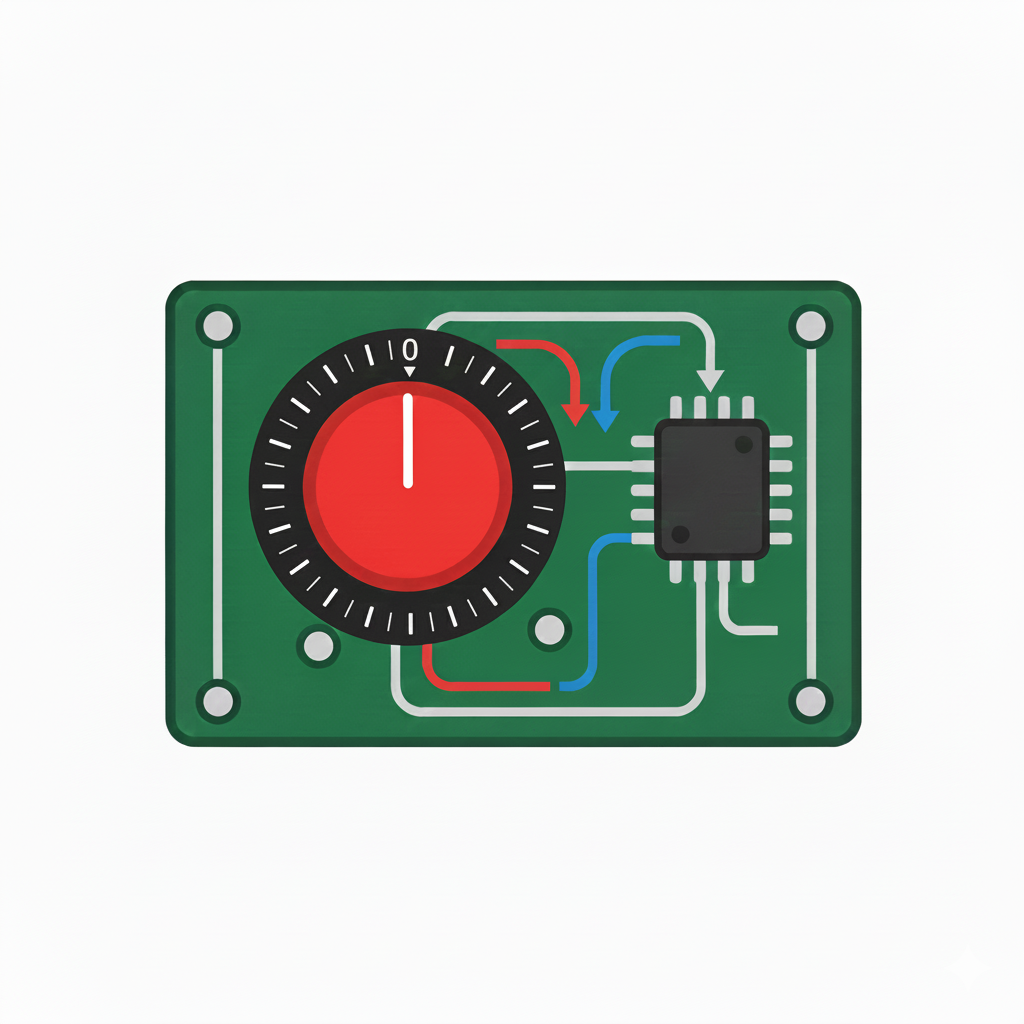
For manual control, we offer a version with an integrated potentiometer.
Download the datasheet to view all connection details.
And if you have questions – which is perfectly normal – we won’t make you dig through endless manuals. Our support team will advise you on the best components for your specific case and explain exactly how to connect and start them up.
PWM electronics for manual regulation
PWM electronics for automatic regulation
| TECHNICAL SPECIFICATIONS | |
|---|---|
|
Power supply voltage |
24 V DC |
|
Maximum output current |
0-24V DC |
|
Output frequency |
300Hz – 19KHz |
|
Potentiometer input |
Yes |
|
Analog sensor input |
0-5V |
|
Analog sensor input |
0-10V |
|
Arranque suave con rampa ajustable |
Yes |
|
Soft start with adjustable ramp |
DIN rail
|
BASIC WIRING INSTRUCTIONS
- x2 terminals for 24 V DC power input
- x2 terminals for 0–24 V DC brake or clutch output
- x2 terminals for regulation sensor input
- x3 terminals for potentiometer input
FAQs
Yes, make sure the power supply is 24 V and at least 50 W.
Both the brake and clutch are non-polarized, the two wires can be connected interchangeably to terminals 2 (GND) and 3 (+24 V).
Using a sensor with analog output of 0–5 V or 0–10 V connected to terminals 5 (GND) and 6 (SIGNAL), or a potentiometer connected to terminals 5, 6, and 7.
Yes, as long as the motor is 24 V and its power is lower than the power supply.
Yes, it is protected against overload (mainly overheating). The protection resets once the temperature drops.
It depends on the sensor, but generally yes.