Rewinding Solutions
Quick Guide to Rewinding Solutions
Rewinding is the process by which previously unwound or processed material is wound again onto a new roll. This process is essential in many industries, such as those working with plastic films, paper, textiles and other roll-based materials, as it allows the material to be rewound for purposes such as storage, transport or preparation for the next stage of production.
Efficient rewinding goes beyond simply re-rolling the material it ensures that:
- The alignment of the roll edge (the visible outer surface) is precise, avoiding lateral shifts that could compromise the roll’s quality.
- The material tension remains appropriate throughout the process, with a gradual increase from the core to the outer layer. This ensures that the material avoids defects like wrinkles, folds or misalignments, that could impact its quality and usability in later stages.
Practically speaking, a high-quality rewinding solutions is essential to ensure that each finished roll is uniform and defect-free. Poor rewinding not only compromises the physical stability of the roll, which could collapse during storage or transport, but also affects the material’s functionality in its final application, causing issues that may impact downstream processes or the final product.
Tension Control in Rewinding Solutions
Tension control during rewinding is critical, as it allows for the controlled adjustment of roll hardness Typically, the roll core should be harder than the outer layers to ensure greater structural stability and avoid deformations. This adjustment optimizes the quality of the rewound material and allows for more efficient handling and storage.
Some of the most common problems during the rewinding process include:
- Uneven tension: Poor tension control can cause stretching or wrinkling of the rewound material, as well as variations in hardness throughout the roll. This not only affects roll consistency, but can also lead to issues in subsequent stages, compromising the final product’s quality.
- Material misalignment: If the material is not properly aligned during rewinding, folds or lateral displacement, may occur, negatively affecting the appearance of the final product and impairing the material’s performance in later processes.
Downtime during roll changes: Manual or non-automated systems often cause prolonged downtime during roll changes. This negatively impacts productivity and may increase material waste, leading to avoidable financial losses.
Double Support Mounting System
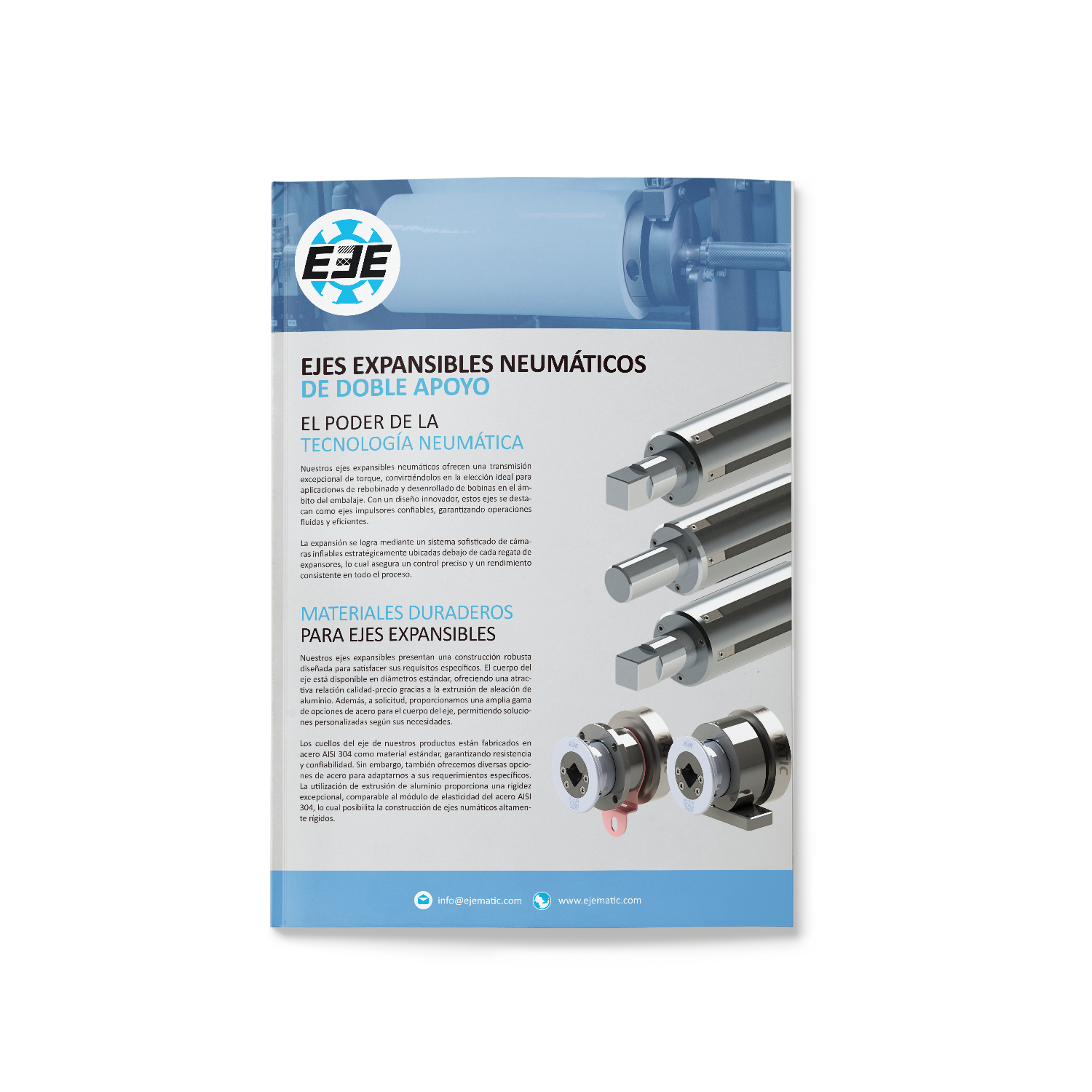
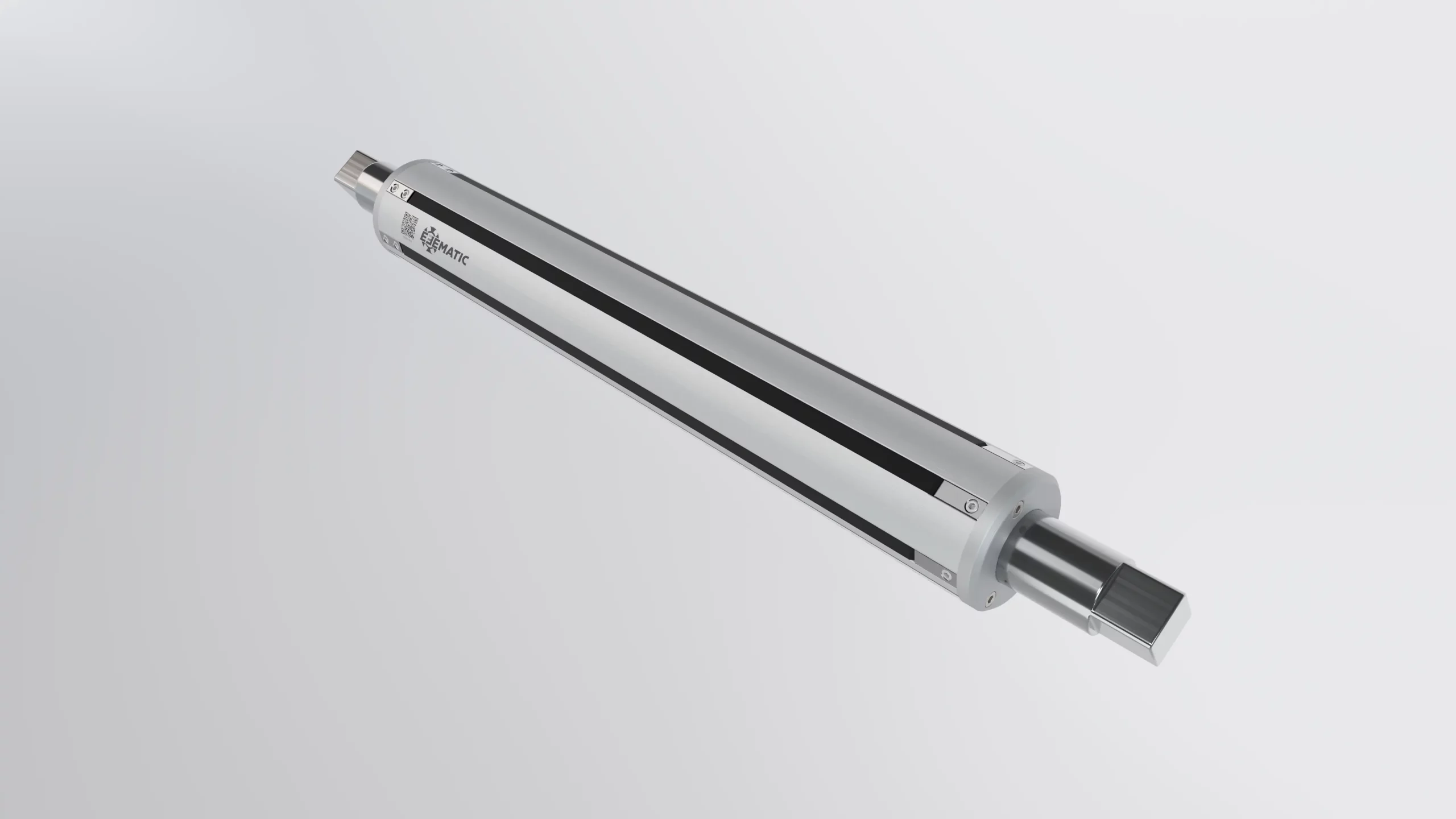
Kits designed to provide a complete solution for your rewinding process with rolls that demand high weight and speed performance.
Cantilever Mounting System
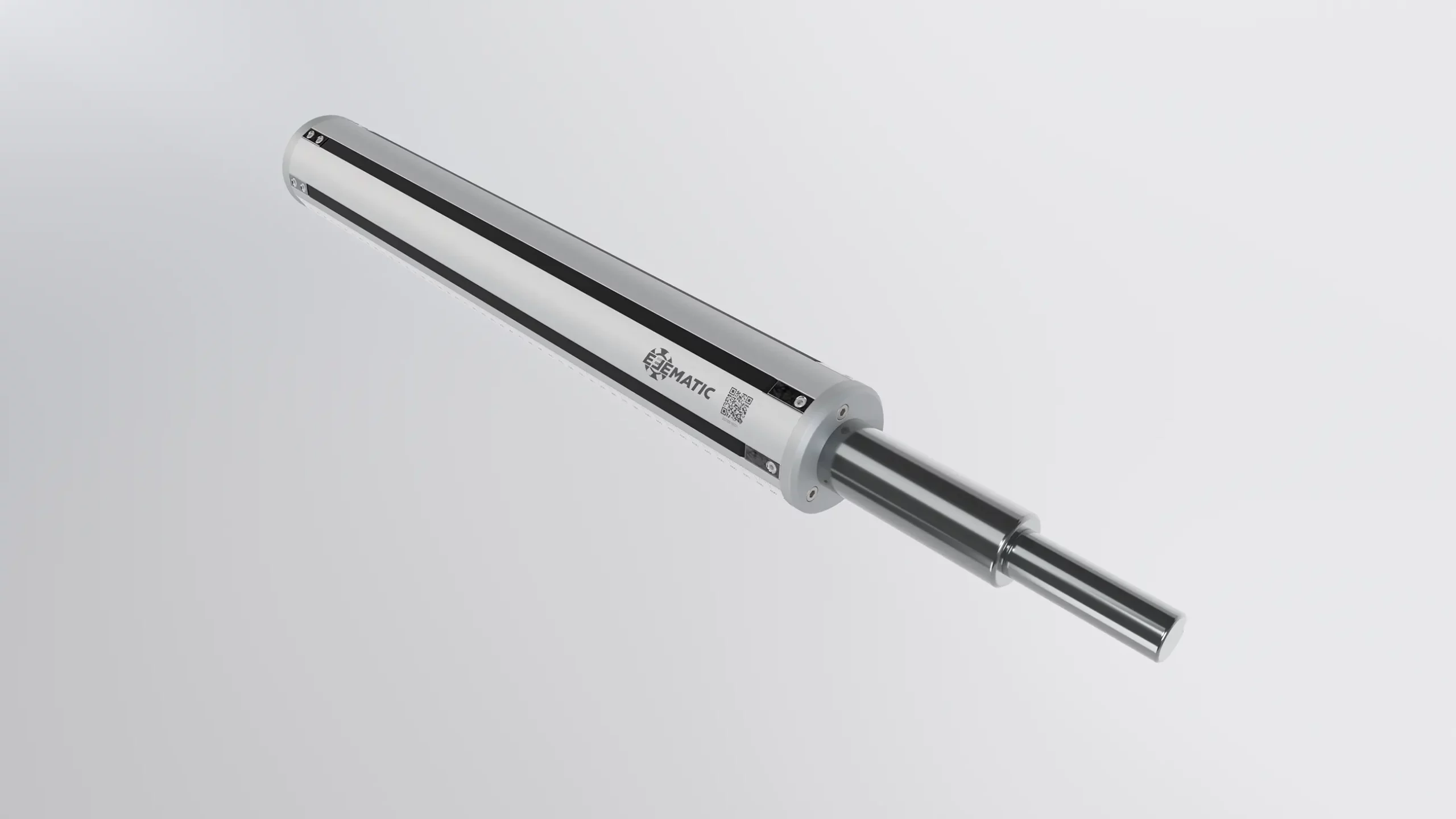
Kits designed to provide a complete solution for your rewinding process in a fast and agile way, intended for light loads up to 100 kg.
Swing Arm System
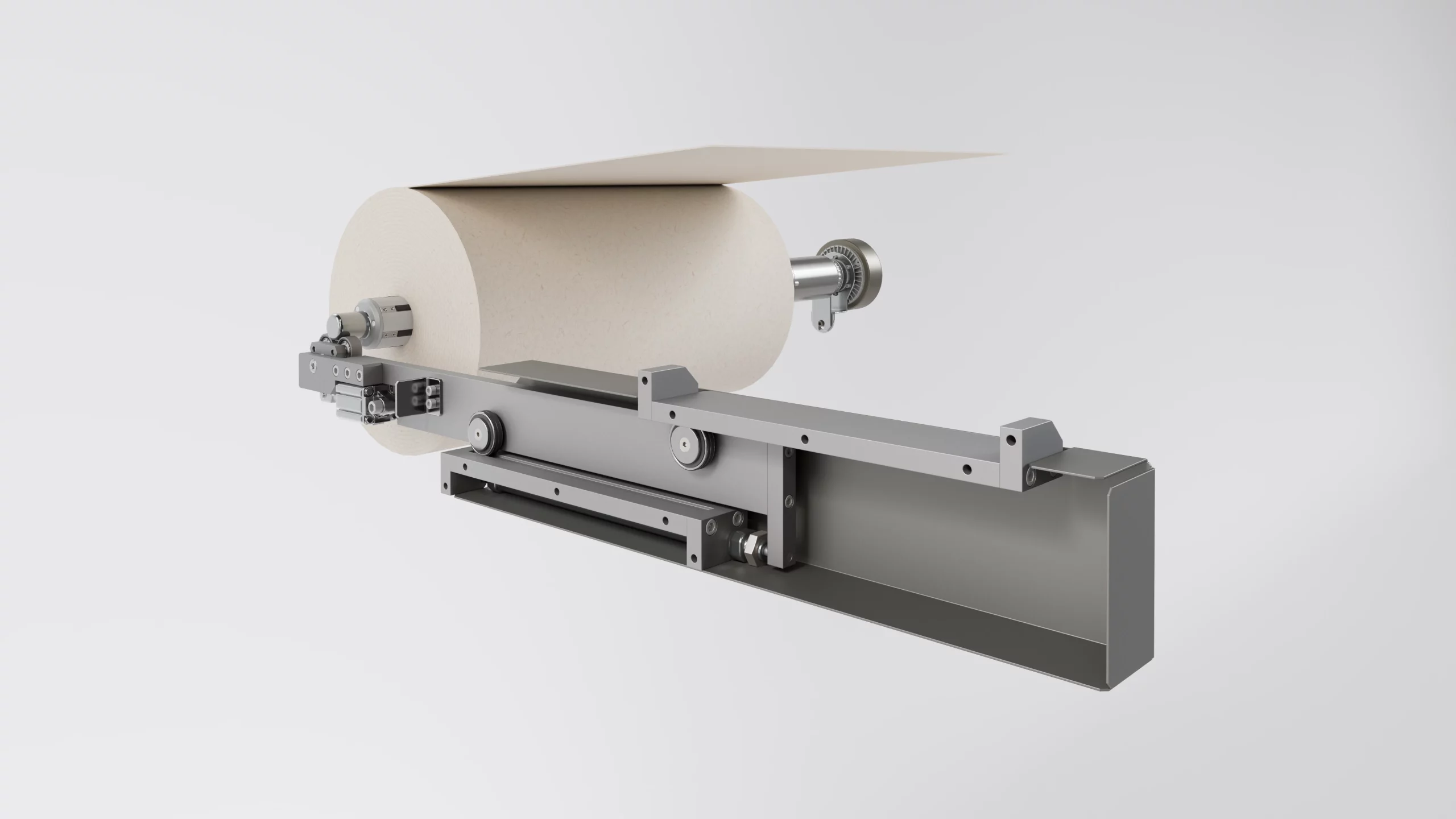
Kits designed to offer a complete solution for your rewinding process, combining robustness and agility in roll changeovers, with the option for full automation of loading and unloading operations.
| Comparative Table of Mounting Systems | |||
|---|---|---|---|
|
Features
|
Double Support
|
Cantilever |
Swing Arm |
|
Load capacity |
|
|
|
|
Loading and unloading agility |
|
|
|
|
Implementation cost |
|
|
|

At Ejematic, we don’t just sell systems we deliver peace of mind.
- Each kit is designed to keep your production running flawlessly.
- Forget about problems, downtime, and constant adjustments.
With our technology, you’ll always be one step ahead while your competitors are still looking for solutions.
Not sure which system is right for you?
Let us help you choose the perfect solution to take your production to the next level.